
Your teenager comes home from school and you notice something. Their smile looks different. Maybe a tooth is coming in crooked or their bite seems off. You start asking yourself the usual questions. Is now the right time? Should we wait?
The American Association of Orthodontists recommends a first orthodontic evaluation by age 7. That visit is about screening, not starting treatment. Most teens begin active treatment between ages 9 and 14, once enough adult teeth have come in.
Dr. Sal Lotardo provides orthodontic care at Bella Smiles in Riverhead, Roslyn, and Nesconset. He has practiced for over 20 years and is a member of the American Orthodontic Society. His AACD accreditation, earned by only 405 dentists in the history of the organization, reflects his commitment to careful diagnosis and exceptional care. Here’s how to think through the timing of braces or Invisalign treatment for your teen.
Why Age 7 Matters for the First Check
By age 7, most children have a mix of baby and adult teeth. That mix lets a trained eye spot patterns that predict future problems. Crowding. Bite issues. Jaw growth concerns.
The visit isn’t about putting braces on a 7-year-old. Most kids who get an early evaluation don’t need treatment yet. They go on a monitoring schedule. Follow-up visits every 6 to 12 months track how the bite and jaw develop.
Catching a problem early gives you options. You can guide growth while the jaw is still developing. You can avoid more complex treatment later. That’s the value of the screening.
The Sweet Spot for Teen Treatment
Active treatment usually begins between ages 9 and 14. Permanent teeth have erupted. The jaw is still growing. Bone remodels faster during adolescence, so teeth respond more predictably to treatment.
Dr. Lotardo has trained extensively in orthodontics alongside implant and cosmetic dentistry. That combination matters. He looks at how teeth, bite, and jaw function together. He designs smiles that work well and stay straight.
Treatment in this window usually takes 18 to 24 months. Adjustments happen every 4 to 8 weeks. The exact timeline depends on your teen’s case.
What Changes Between Ages 9 and 14
Different ages bring different treatment possibilities. Here’s how timing affects the approach.
- Ages 9 to 11: Some teens have baby teeth remaining. The jaw is still growing rapidly. Early treatment can guide jaw development and make room for adult teeth. This phase might use expanders or space maintainers. It sets the stage for a smoother second phase later.
- Ages 12 to 14: Most adult teeth have arrived. Full braces or aligners can move the whole arch as a unit. This is the most common window for comprehensive treatment. The jaw is still growing, so bite corrections work well.
- Ages 15 and Up: Treatment still works. Teeth move a bit slower once jaw growth slows. But modern techniques handle teen cases at any age.
Signs Your Teen Might Need a Bite Evaluation
Parents often ask what to watch for. Here are the signs that warrant a check.
- Crowded or overlapping teeth that make cleaning difficult
- A bite that doesn’t look even
- Early or late loss of baby teeth
- Difficulty biting or chewing
- Mouth breathing or persistent oral habits
- Teeth that appear to be erupting at odd angles
- Jaw sounds like clicking or popping
You don’t need to diagnose anything yourself. Notice the signs and book the evaluation to let a professional assess your child’s bite.
Orthodontic Options for Teens
Teens have more choices than ever. Dr. Lotardo offers several options at Bella Smiles.
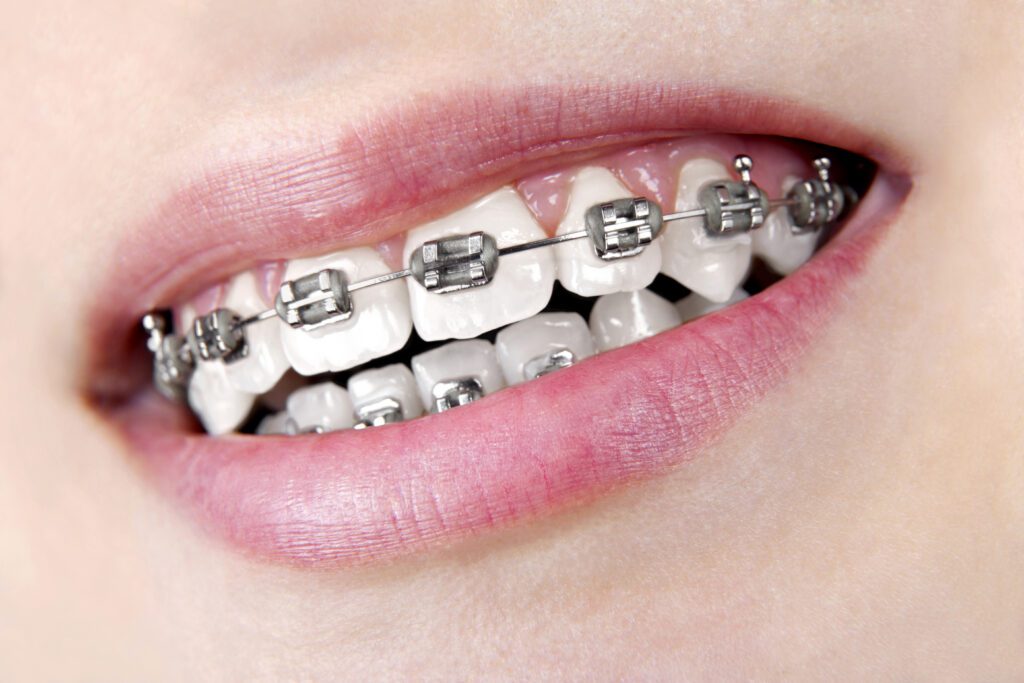
Traditional Metal Braces
Modern metal braces are smaller and more comfortable than older versions. They handle complex cases well. Teens can choose colored bands for a personal touch.
Clear (Ceramic) Braces
These work like metal braces but use tooth-colored or clear brackets. They’re less noticeable but slightly more fragile than metal, so careful eating matters.
Invisalign and Clear Aligners
Clear aligners are removable and nearly invisible. Teens wear them 20 to 22 hours a day. They can eat whatever they want. Research shows Invisalign teens report less pain than those with metal braces. Treatment can finish up to 5 months faster on average.
Invisalign Teen
This version includes compliance indicators. It also comes with replacement aligners if your teen loses one. That’s a practical detail for busy families.
Dr. Lotardo’s AACD accreditation required him to pass a written exam, submit clinical cases for peer review, and complete an oral examination. That rigorous process trained him to match the right treatment to each patient’s needs.
What to Expect at Your Child’s Orthodontic Evaluation
The first visit is straightforward. Dr. Lotardo will examine your teen’s teeth and bite. He’ll assess jaw development. He may take X-rays or digital scans to see what’s happening beneath the surface.
You’ll get clear answers. Does your teen need treatment now? Should you wait and monitor? What are the options? How long will it take? What does it cost?
No pressure. No rushing. Just honest guidance based on your teen’s specific situation.
Why Choose Bella Smiles for Teen Orthodontics?
Dr. Lotardo brings a rare combination of skills to orthodontic care. He’s trained in orthodontics, implant dentistry, and cosmetic dentistry. He served as President of the American Academy of Cosmetic Dentistry in 2020-21. He’s one of only 405 dentists in AACD history to earn Accredited status.
That background means he approaches orthodontics with an eye for aesthetics and function. Your teen gets a smile that looks great and works properly.
Bella Smiles has three Long Island locations. Riverhead. Roslyn. Nesconset. Families across the island can access care close to home. The practice handles everything from cleanings to full mouth reconstruction, so your teen’s orthodontic care stays coordinated with their overall dental health.
Book Your Teen’s Orthodontic Evaluation
Don’t guess about timing. Get a professional opinion. Call Bella Smiles to schedule your teen’s orthodontic evaluation. Contact our Riverhead office at (631) 574-3898. You can also call our Roslyn office at (516) 217-6668 or our Nesconset office at (631) 228-8780.