
So your child needs orthodontic treatment. Our dentist may have spotted crowding at a checkup. You might have noticed their bite looks off. Your teen has been asking about straightening their teeth.
Now you face a decision. Invisalign or traditional braces? Both options work well, but the right choice depends on your child’s case, their age, and their willingness to follow instructions.
At Bella Smiles in Nesconset, Riverhead, and Roslyn, we go beyond basic dental care to offer orthodontic care that meets your needs. Our dentists in Long Island, led by Dr. Sal Lotardo, a member of the American Orthodontic Society, help patients of all ages with dental and orthodontic concerns.
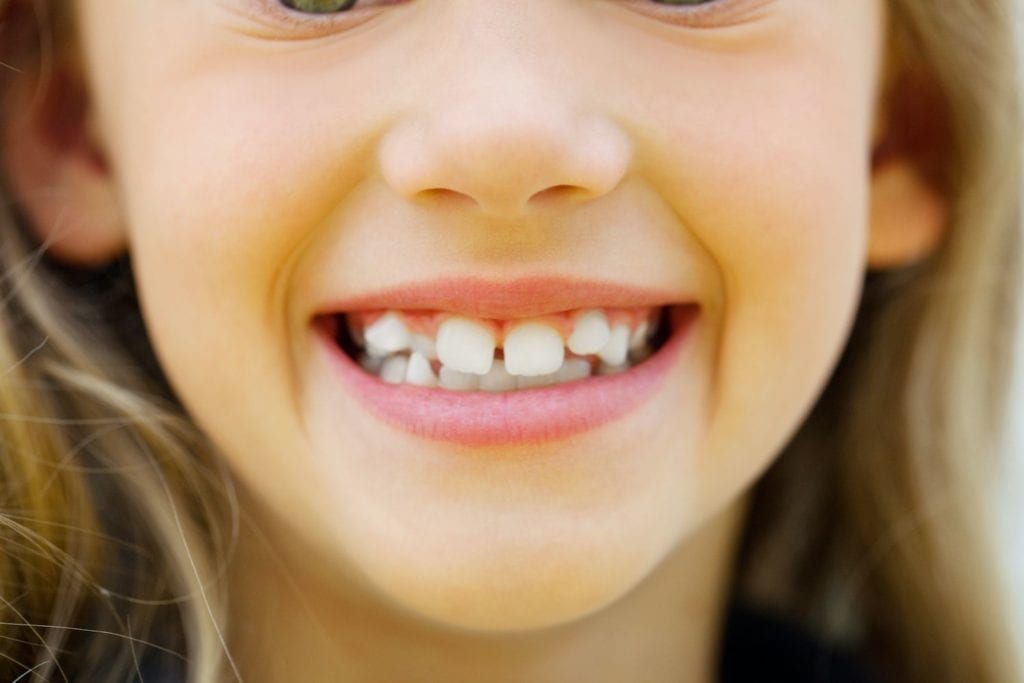
How Invisalign Works for Kids and Teens
Invisalign uses a series of clear, removable aligners. Each set is custom-made for your child’s teeth. They wear them for about 22 hours a day. Every two weeks, they switch to a new set. The aligners gradually shift teeth into place.
Invisalign Teen includes compliance indicators. These small blue dots fade over time to show whether your child is wearing the aligners enough. The system also includes replacement aligners if your child loses one. That detail helps busy families stay on track.
Your child removes the aligners to eat, drink, and brush. No food restrictions apply. They can enjoy pizza, popcorn, and everything else their friends are eating.
How Traditional Braces Work for Kids
Traditional braces use brackets attached to each tooth. Wires connect the brackets and gradually shift teeth into alignment. Your child visits the office every 4 to 8 weeks for adjustments.
Modern metal braces are smaller and more comfortable than older versions. Kids can choose colored bands for a personal touch. Clear ceramic braces offer a less noticeable option for teens who feel self-conscious.
Braces stay fixed in place. Your child can’t remove them. Dietary restrictions apply during treatment. Avoid hard, sticky, and crunchy foods.
Which One Works Better for Kids?
Parents ask this question most often. The honest answer depends on your child’s case.
Invisalign handles mild to moderate cases. It corrects crowding, spacing, and minor bite issues. It works well for teens who are responsible about wearing their aligners.
Braces handle complex cases. They correct severe crowding and significant bite problems. They also handle cases that need major tooth movement. Braces give the orthodontist more control over each tooth.
Age matters too. Invisalign works best for teens who have most of their adult teeth. Younger children with baby teeth still present usually need braces for complex cases. Dr. Lotardo will evaluate your child and recommend the right option.
Can Your Child Handle the Responsibility?
Parents often overlook this factor. Invisalign only works if your child wears the aligners as directed.
Ask yourself these questions. Does your child follow instructions at home? Do they remember daily tasks without reminders? Are they motivated to straighten their teeth?
A yes to those questions suggests Invisalign could work well. A child who struggles with consistency might do better with braces. Braces work around the clock because they stay fixed in place. Compliance never becomes an issue.
Dr. Lotardo will discuss this honestly with you. He won’t recommend Invisalign if your child isn’t ready for the responsibility.
How Long Does Each Treatment Take?
Timeline matters. Nobody wants their child in treatment longer than necessary. Invisalign often finishes faster than braces. Research shows treatment can complete up to 5 months faster on average. Most teen cases take 12 to 18 months.
Braces typically take 18 to 24 months, but complex cases can take longer. The exact timeline depends on how much movement is needed. Your child’s treatment time also depends on compliance. Invisalign only works if the aligners stay in and braces work continuously.
Appearance and Social Concerns
Middle school and high school come with enough social pressure already. Invisalign aligners are nearly invisible. Most people won’t notice your child is wearing them. That helps teens who feel self-conscious about their appearance.
Braces are visible. Metal brackets and wires show when your child smiles. Clear ceramic braces are less noticeable, but they’re still visible up close. Comfort differs too. Invisalign aligners are smooth and custom-fit. Braces use brackets and wires that can irritate cheeks and gums, especially after adjustments.
Cost Considerations
Both options cost similar amounts but the total depends on the complexity of your child’s case and the length of treatment.
Dental insurance often covers a portion of orthodontic treatment for patients under 18. We’ll help you understand your benefits before treatment starts.
Dr. Lotardo’s practice offers flexible payment options. Ask about financing when you schedule your child’s consultation.
Why Dr. Lotardo’s Input Matters
Don’t choose between Invisalign and braces alone. You need a professional who can evaluate your child’s bite, jaw, and goals.
Dr. Lotardo has practiced for over 20 years. He’s trained in orthodontics, implant dentistry, and cosmetic dentistry. He served as President of the American Academy of Cosmetic Dentistry in 2020-21 and as Chairman of the American Board of Cosmetic Dentistry in 2019-2020.
His AACD accreditation required him to pass a written examination, submit clinical cases for anonymous peer review, and complete an oral exam. That process trained him to evaluate aesthetic outcomes with rigor, not guesswork.
He also offers both treatments in one office. You won’t get pushed toward one option because that’s all he offers. He recommends what’s right for your child.
What to Expect at Your Child’s Consultation
Your first visit is about getting answers. Dr. Lotardo will examine your child’s teeth and bite. He’ll assess jaw development if needed. He may take X-rays or digital scans to see what’s happening beneath the surface.
During that visit, you’ll learn which treatment fits your child’s case. A clear timeline comes next. You’ll also understand the full cost before you commit. That leaves plenty of time to ask every question you have.
Our team keeps the visit calm and unhurried. Nobody pressures you into a decision. You’ll leave with clear guidance based on your child’s specific situation.
Book Your Child’s Orthodontic Consultation
One visit gives you the information you need. Invisalign or braces. You’ll know which one is right for your child.
Our convenient locations in Nesconset, Riverhead, or Roslyn are ready to serve your family’s dental needs. Call our Riverhead office at (631) 574-3898. Call our Roslyn office at (516) 217-6668. Call our Nesconset office at (631) 228-8780.